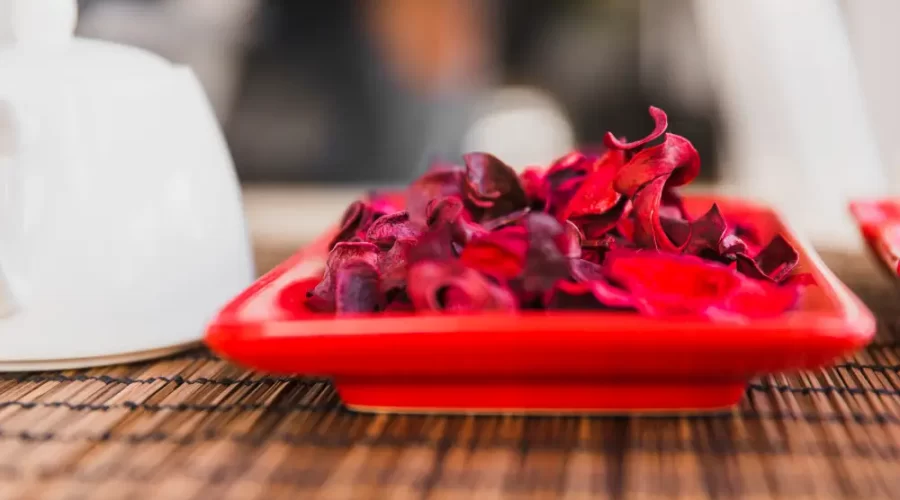
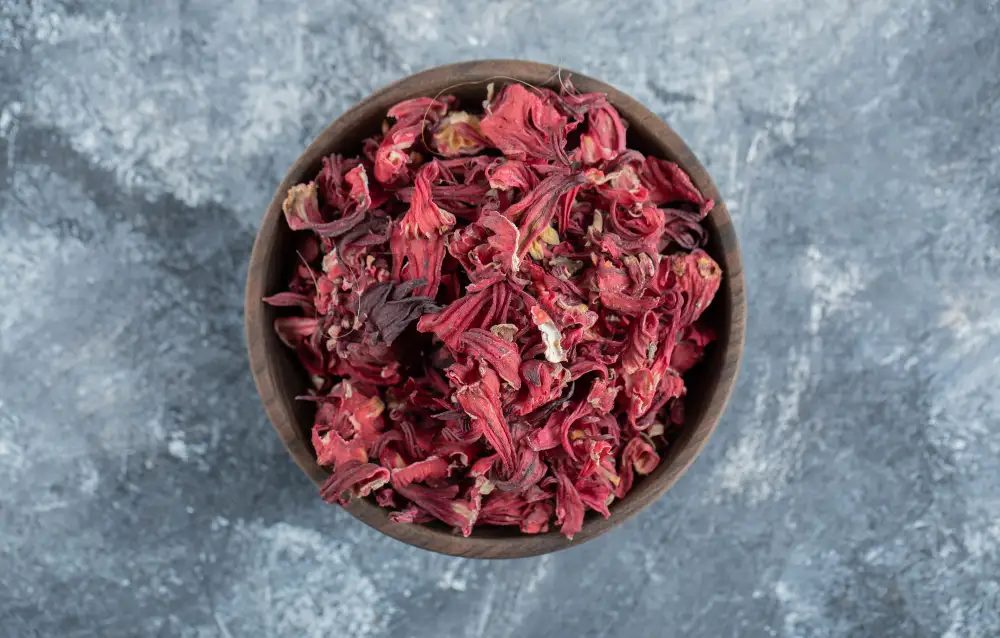
In recent years, hibiscus flower exports from Nigeria have gained strong recognition in the global market. Known for its rich color, tangy flavor, and impressive health benefits, the dried hibiscus flower—locally referred to as Zobo—has become one of the country’s fastest-growing agricultural exports. International buyers in Europe, Asia, and North America are increasingly sourcing hibiscus flower in bulk from Nigeria due to its competitive quality and pricing.
This post explores the global demand for Nigerian hibiscus flower, the trends shaping its export, and the opportunities available for international procurement buyers.
Nigeria’s Position in the Hibiscus Export Market
Nigeria is one of the largest hibiscus producers and exporters in Africa, with vast farmlands across states like Kano, Jigawa, and Katsina dedicated to cultivation. According to the Food and Agriculture Organization (FAO), hibiscus demand is steadily increasing due to its use in food, beverages, cosmetics, and pharmaceuticals.
For buyers, sourcing from Nigeria means access to:
- Abundant supply with harvests available year-round.
- Competitive pricing compared to other hibiscus-exporting nations.
- NEPC-certified exporters such as Winning Investments Limited’s Hibiscus Flower Export Service, ensuring compliance with international quality standards.
Why Global Buyers Prefer Nigerian Hibiscus Flower
International procurement buyers choose Nigerian hibiscus for several reasons:
- High Quality and Color Intensity
Nigerian hibiscus is valued for its deep red petals and strong flavor, making it ideal for hibiscus tea, natural food coloring, and herbal blends. - Wide Range of Applications
Beyond the beverage industry, hibiscus is now used in:
- Nutraceuticals and dietary supplements.
- Natural skincare and cosmetic products.
- Pharmaceutical formulations.
- Nutraceuticals and dietary supplements.
- Certified and Tested Products
Exporters like Winning Investments Limited ensure hibiscus undergoes strict quality checks, fumigation, and food-grade packaging before shipment, maintaining freshness during long transit times.
Export Trends Shaping the Hibiscus Market
Global interest in hibiscus tea and plant-based ingredients is creating new opportunities for exporters and buyers alike. Some of the key trends include:
- Rising Demand in Europe and North America
Health-conscious consumers are turning to hibiscus tea for its antioxidant, anti-inflammatory, and blood-pressure-lowering properties. - Growth in the Cosmetics Sector
The natural skincare industry is adopting hibiscus extracts for anti-aging and moisturizing products. - Increasing Use in Functional Beverages
Hibiscus blends are becoming popular in wellness drinks, smoothies, and herbal infusions, creating consistent demand. - Shift Toward Sustainable and Traceable Sourcing
Buyers now look for exporters who can guarantee transparent supply chains and sustainable farming practices.
Opportunities for International Procurement Buyers
For procurement managers and international buyers, Nigeria presents a reliable hub for bulk hibiscus sourcing. With well-organized logistics and partnerships with trusted vendors, exporters like Winning Investments Limited can fulfill both small-scale and container-load shipments.
Buyers also benefit from:
- Flexible bulk procurement options (50kg bags, jute sacks, or customized packaging).
- Competitive pricing models for long-term supply agreements.
- Streamlined export processes, supported by Nigeria’s NEPC regulations and certifications.
Packaging and Bulk Shipping Solutions
Export-ready hibiscus flower requires premium packaging to retain freshness and prevent contamination. At Winning Investments Limited, hibiscus is processed, sun-dried, cleaned, and packed in food-grade, moisture-proof materials. Shipments are arranged in bulk containers, ensuring timely delivery to Europe, Asia, and beyond.
For more details on how packaging is handled across multiple product lines, see our post on Packaging and Bulk Shipping Solutions for Hibiscus Flower and Orange Peel Buyers.
Key Considerations for Buyers Importing Hibiscus from Nigeria
When sourcing hibiscus flower internationally, procurement managers should evaluate:
- Exporter’s NEPC certification and compliance with food safety standards.
- Ability to handle bulk orders and meet seasonal demand.
- Track record in delivering to European and North American markets.
- Transparent communication and customer service throughout the sourcing process.
Winning Investments Limited stands out by meeting all these conditions, making us a trusted partner for global buyers.
Conclusion
The demand for Nigerian hibiscus flower continues to rise as global industries embrace natural, plant-based ingredients. For procurement buyers, this creates a strategic opportunity to partner with exporters who combine quality assurance, efficient logistics, and competitive pricing.
If you’re looking to source bulk dried hibiscus flower from Nigeria, Winning Investments Limited is your trusted NEPC-certified partner.
For related insights, explore our blog post on Hibiscus Flower in Global Markets: Why Food and Beverage Companies Prefer Nigerian Supply.And for further global market statistics on hibiscus exports, visit the FAO’s agricultural trade data portal.