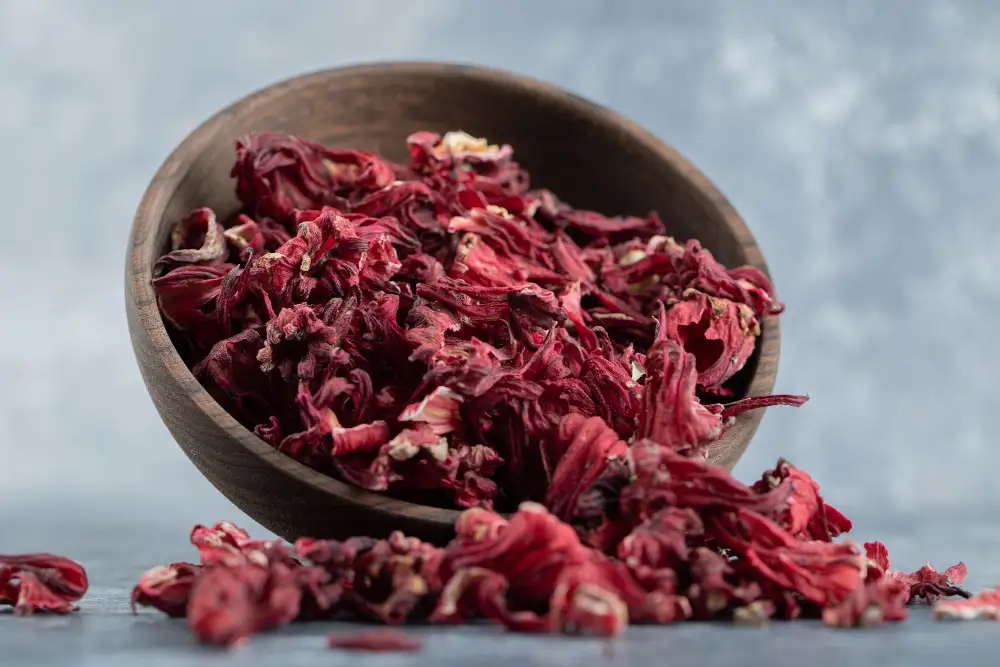
The dried hibiscus flower, also known as Roselle or Zobo in Nigeria, is more than just a colorful ingredient—it’s a powerhouse of nutrients with wide-ranging applications in the food and beverage industry. From herbal teas and fruit blends to natural colorants and health supplements, hibiscus has become a high-demand commodity for global manufacturers.
For procurement buyers, sourcing hibiscus from Nigeria provides not only cost advantages but also access to one of the most nutrient-rich hibiscus varieties in the world. In this article, we’ll explore the health and nutritional benefits of hibiscus and why it is a preferred ingredient for food and beverage manufacturers.
Nutritional Profile of Dried Hibiscus Flower
Hibiscus flower is valued for its dense nutritional content, including:
- Vitamin C: Supports immune system health and acts as a natural antioxidant.
- Polyphenols and Flavonoids: Help reduce oxidative stress and inflammation.
- Iron: Essential for blood health and energy production.
- Calcium: Strengthens bones and teeth.
- Dietary Fiber: Aids digestion and improves gut health.
For food manufacturers, these nutrients make hibiscus not only a functional ingredient but also a strong marketing point for health-conscious consumers.
Key Health Benefits for Consumers
- Supports Heart Health
Studies suggest hibiscus tea can help lower blood pressure and cholesterol, making it appealing for manufacturers of functional beverages. - Boosts Immunity
With high vitamin C content, hibiscus strengthens the immune system—a feature that resonates with consumers seeking immune-boosting products post-pandemic. - Rich in Antioxidants
Hibiscus is packed with flavonoids that fight free radicals, supporting anti-aging and overall wellness products. - Weight Management Support
Hibiscus tea has natural metabolism-boosting properties, often marketed in detox and weight-loss beverages. - Digestive Health
The fiber content aids digestion, making hibiscus an excellent addition to dietary supplements and herbal teas.
Why Food & Beverage Manufacturers Use Hibiscus
Global food and beverage companies rely on hibiscus because it offers:
- Natural Colorant: Its deep red pigment is a plant-based alternative to artificial food dyes.
- Flavor Profile: Tart and fruity, hibiscus adds a refreshing taste to teas, juices, and cocktails.
- Functional Ingredient: Provides both nutritional and wellness value, increasing product appeal.
- Versatility: Used in tea bags, liquid extracts, concentrates, syrups, jams, and baked goods.
At Winning Investments Limited’s Hibiscus Flower Export Service, we ensure that every bulk shipment maintains the freshness, color, and aroma that manufacturers require for premium-grade products.
Bulk Procurement Advantages for Buyers
International buyers who procure hibiscus flower in bulk from Nigeria gain several advantages:
- Cost Efficiency: Bulk shipments reduce per-unit costs and ensure stable supply.
- NEPC Certification: Exporters like Winning Investments Limited comply with international trade and quality standards.
- Packaging Options: From 25kg sacks to container loads, hibiscus can be tailored to suit industrial requirements.
- Consistent Supply Chain: Nigeria’s vast hibiscus production ensures year-round availability.
For more on procurement strategies, see our guide on How to Export Hibiscus Flower and Orange Peel from Nigeria: A Step-by-Step Buyer’s Guide.
Market Opportunities in the Food & Beverage Industry
- Herbal Tea Market
Hibiscus tea is one of the fastest-growing segments in the herbal beverage industry, especially in Europe and the United States. - Functional Beverages
Companies are infusing hibiscus into energy drinks, wellness shots, and smoothies. - Natural Food Colorants
Hibiscus extract is being adopted in ice creams, candies, and syrups as consumers move away from synthetic additives. - Health Supplements
Capsules and powders made with hibiscus extract are gaining traction in the nutraceutical sector.
Packaging and Export Readiness
Quality packaging is critical in hibiscus exports to maintain product integrity. At Winning Investments Limited, hibiscus is processed, cleaned, and sealed in moisture-proof, food-grade packaging, ensuring it arrives in optimal condition. Shipments are prepared for bulk export to Europe, Asia, and North America, with logistics managed by our in-house experts.
For a deeper dive into export logistics, check out our post on Packaging and Bulk Shipping Solutions for Hibiscus Flower and Orange Peel Buyers.
Conclusion
As global demand for plant-based, functional ingredients continues to rise, hibiscus flower stands out as a versatile and nutrient-rich commodity for the food and beverage industry. From its health benefits to its wide industrial applications, hibiscus is a smart choice for procurement buyers seeking quality and value.
If you’re ready to source bulk dried hibiscus flower from Nigeria, partner with Winning Investments Limited, your trusted NEPC-certified exporter.For additional research-backed insights on hibiscus health benefits, visit the National Institutes of Health (NIH).